Although the pandemic has impacted industries hard, the aviation industry was among the world's worst-hit in 2020. In India, when the Covid-19 lockdown was enforced in March, air travel was limited. Since May 25, scheduled domestic flights have been resumed in a restricted way.
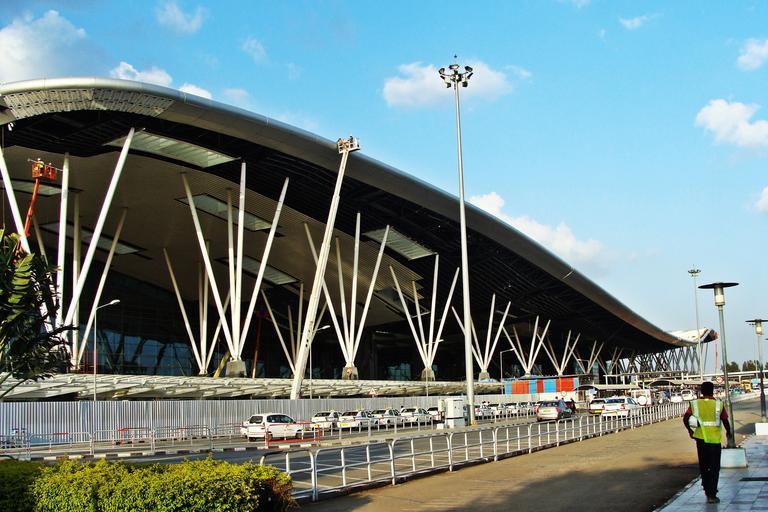
In 2020, the COVID-19 pandemic had a huge effect on the Indian aviation industry, and major airlines facing losses and tough times laid off staff sent them on leave without pay or reduced their salaries.
In April, AirAsia India cut the wages of its senior staff by up to 20 percent. Starting in April, Vistara launched a seniority-based leave without pay policy for its employees. Indian airlines currently operate domestic flights at approximately 80 percent of their pre-COVID levels. By March 2021, domestic services are projected to hit their pre-COVID levels.
In October, CAPA India predicted that the Indian aviation industry will lose a combined USD 6-6.5 billion in FY21, of which USD 4-4.5 billion will be accounted for by airlines.
It is expected that the revival of overseas travel will be slower and more complex than domestic travel. In particular, this will hurt Air India, as about 60% of its revenue was previously generated from foreign operations.
The October 17 bid to revive Jet Airways was won by a consortium of UAE-based businessman Murari Lal Jalan and London's Kalrock Capital. The airline is expected to start operating by the summer of 2021.
The consortium said it is awaiting NCLT and other regulatory approvals by the Ministry of Civil Aviation and the Directorate General of Civil Aviation, including the reinstatement of slots and bilateral traffic rights (DGCA). Slots are important commodities in the aviation industry, which is the time zone at which a flight can land at the airport, as well as bilateral traffic privileges, the amount of flights that an airline can fly to the city of another country.
Consolidation, along with progress on the disinvestment of Air India, could also be a theme to look out for in the coming year.
In 2021, investors can watch for consolidation in the post-covid world of the aviation market. Eventually, we expect three major groups to survive—IndiGo, the Tatas and SpiceJet Ltd.
The Indian aviation sector is hoping for a much better year compared to 2020, with the anti-coronavirus vaccine likely to begin in 2021. On December 21, India announced that all UK-connected passenger flights will be suspended from December 23 to December 31.

